This Iconic iPhone Design Will Get Closer to Retirement With iPhone 18 Pro
The iPhone 18 Pro is set to introduce the biggest design change Apple users have seen in nearly a decade. Remember when Apple dropped the iPhone X back in 2017? That massive notch at the top of the screen was controversial, ugly to some, futuristic to others. Love it or hate it, that notch became the face of every iPhone for years. It’s what made an iPhone look like an iPhone from across the room. Well, that era is finally winding down.
With the iPhone 18 Pro expected to launch this September, Apple is reportedly shrinking the Dynamic Island by roughly 35 percent. That’s a big deal. It might not sound exciting on paper, but what it represents is Apple actively working to kill off the one design element that defined its phones for nearly a decade.
From Notch to Dynamic Island to… Nothing?
Let me take you back a bit. The original notch on the iPhone X was huge. It housed Face ID sensors, the front camera, and a bunch of other hardware Apple needed to make facial recognition work without a home button. People complained about it from day one, but Apple stuck with it for five straight years across multiple iPhone generations.
Then in 2022, the iPhone 14 Pro introduced the Dynamic Island. Same hardware underneath, but Apple turned the cutout into something interactive. Notifications, live activities, music controls, timers, all of it lived inside that little pill shape at the top. It was clever. It made people stop complaining about the cutout because now it actually did something useful.
But even Apple knows that a hole in your screen is still a hole in your screen. No amount of software trickery changes that.
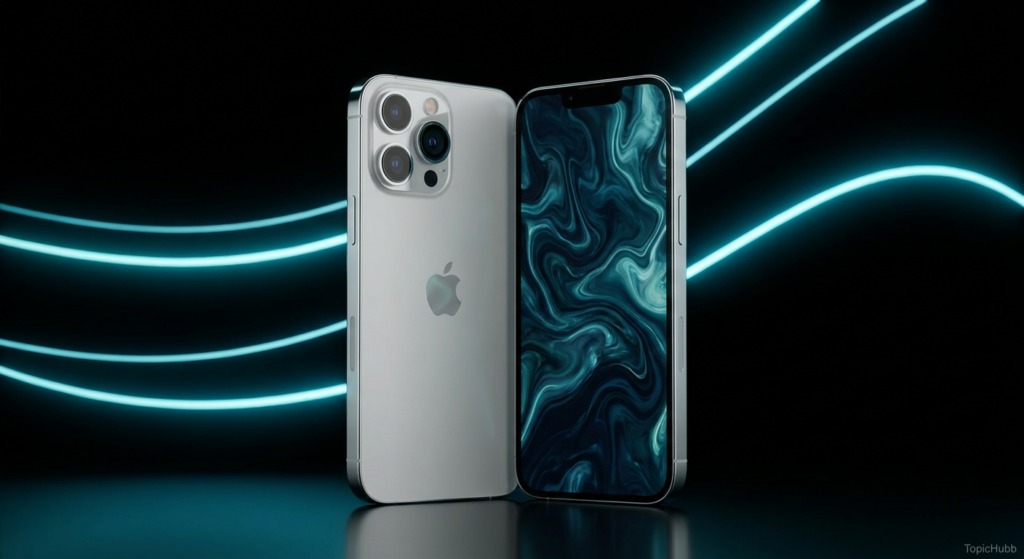
What’s Happening With iPhone 18 Pro
Multiple leaks from the past few months point to the same conclusion. Apple is moving Face ID hardware under the display. Not all of it, not yet, but enough to shrink the Dynamic Island significantly. CAD renders leaked in May showed the cutout getting noticeably smaller compared to every Pro iPhone since the 14 Pro.
Leaked prototype photos from earlier this year showed something interesting. When someone shined a flashlight on the display corner, you could see a small circular sensor hidden underneath the screen glass. That’s reportedly a relocated Face ID component that no longer needs to sit inside the visible cutout.
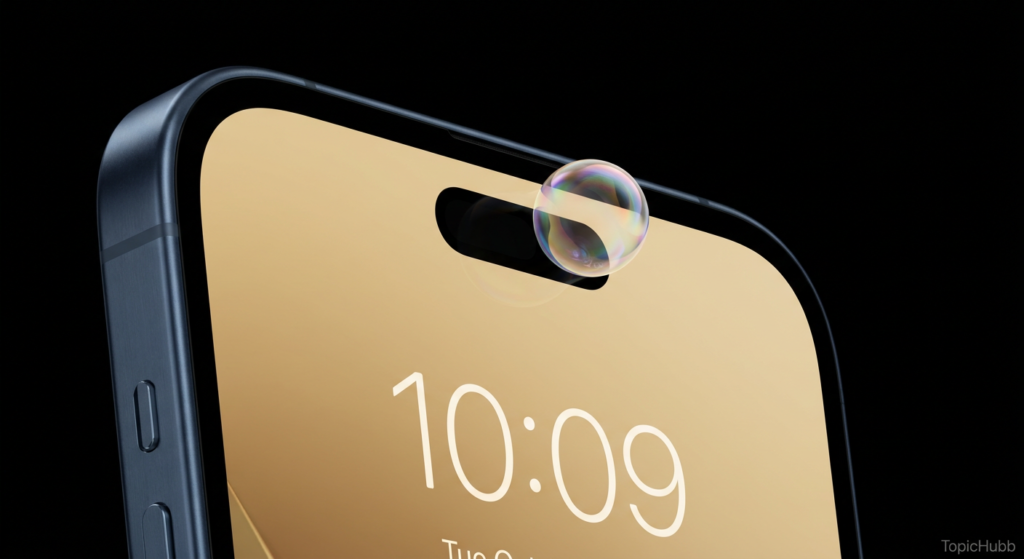
The result? A Dynamic Island that’s about 35 percent smaller than what you see on the iPhone 17 Pro today. It’s still there. You’ll still see it. But it’s shrinking fast, and the direction is obvious.
Why Apple Can’t Just Remove It Overnight
If you’re wondering why Apple doesn’t just get rid of it completely, the answer is boring but practical. The technology isn’t ready yet. Under-display cameras still don’t produce the same image quality as regular front cameras that sit above the screen. And Face ID requires infrared sensors that work precisely at specific distances. Moving all that hardware under glass without compromising performance takes time.
Apple has reportedly been working on fully under-display Face ID since at least 2021. The fact that it’s taken this long tells you it’s not an easy engineering problem. Samsung tried under-display cameras on their Galaxy Z Fold series and the selfie quality took a noticeable hit. Apple isn’t willing to make that tradeoff, at least not yet.
So what we’re getting with iPhone 18 Pro is a halfway step. Some components go under the display, some stay in the cutout, and the overall size drops. It’s not the finish line, but it’s a clear signal of where things are heading.
The Bigger Picture for iPhone Design
Here’s what most people miss about this change. The Dynamic Island shrinking on iPhone 18 Pro isn’t just about aesthetics. It’s Apple laying groundwork for the iPhone 19 Pro or iPhone 20, where the cutout could disappear entirely. Every generation gets us closer to that fully uninterrupted display everyone’s been asking for since 2017.
And honestly? The timing makes sense. Samsung’s Galaxy S series already has much smaller hole-punch cameras. Chinese brands like Xiaomi and Oppo have experimented with under-display cameras for years. Apple is typically late to these changes but executes them better when they finally arrive.
The iPhone 18 Pro is also expected to bring Apple’s A20 chip built on a 2nm process, a variable aperture rear camera, and a new C2 modem chip that Apple designed in-house. But none of those upgrades are visible. The smaller Dynamic Island is the one thing you’ll actually notice when you look at the phone.
Should You Care About This?
If you’re currently using an iPhone 15 Pro or older, this matters. The shrinking Dynamic Island combined with thinner bezels means you’re getting more usable screen space than ever before. It won’t feel like a massive generational leap if you’re coming from iPhone 17 Pro, but from anything older, the difference will be obvious.
If you’re the type who upgrades every year, maybe wait. Multiple reports suggest the iPhone 19 Pro in 2027 is where the real redesign happens. That’s supposedly when Apple finally achieves the no-cutout dream. The iPhone 18 Pro is the bridge between the current design and that future.
Should You Buy iPhone 18 Pro?
The notch defined iPhones for nearly ten years. It became so recognizable that other phone companies copied it. It showed up in memes, case designs, even knockoff phones. The Dynamic Island turned it into something functional, but it was always a workaround for hardware limitations.
With iPhone 18 Pro, Apple is telling us clearly that the Dynamic Island’s days are numbered. It’s not gone yet. But it’s smaller than it’s ever been, and the path to its complete removal is now visible. A few more years and we’ll look back at the notch era the same way we look back at the home button era. It defined a generation of iPhones, and then it quietly went away.
That’s how Apple does things. Not with a sudden dramatic change, but one small step at a time until one day you realize the thing you were used to just isn’t there anymore.